Making Walks More Enjoyable for Your Reactive Dog
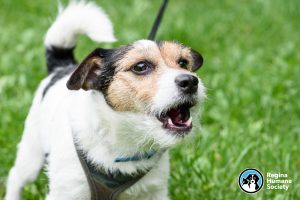
For many dogs, a walk is the highlight of the day. But if your dog becomes anxious, frustrated, or overly excited around people or other dogs, a simple stroll can quickly become overwhelming. The good news is that with patience, consistency, and the right approach, you can help your dog feel more confident and relaxed.
Start by creating space. One of the most effective ways to prevent a reaction is to avoid getting too close to a trigger. Cross the street, change direction, or step off the path if needed. Giving your dog enough distance allows them to remain calm and sets them up for success.
Keep your dog’s attention on you. Practice simple focus games while you walk, such as making eye contact, following a hand target, or changing direction together. These fun movement-based exercises are often far more effective than asking your dog to sit or lie down while another dog or person approaches.
Reward the behaviour you want to see. Carry plenty of tasty treats and praise your dog whenever they remain calm around distractions. Reinforcing relaxed behaviour helps your dog build positive associations with situations that may have once caused them stress.
Choose the right time and place for walks. If possible, walk during quieter times of the day or visit less busy parks and neighbourhoods. Fewer unexpected encounters make it easier for your dog to practice good habits and gain confidence.
Be patient and let your dog set the pace. Progress doesn’t happen overnight. Every calm encounter, no matter how small, is a success worth celebrating. Avoid forcing interactions with other dogs or people, and remember that it’s perfectly okay to turn around or leave a situation if your dog becomes uncomfortable.
Build self-control through everyday games. Activities like “wait,” “leave it,” and other impulse-control exercises at home help develop skills that carry over to walks. As your dog learns to make calmer choices, they’ll become better equipped to handle distractions in the real world.
If your dog continues to struggle with leash reactivity, fear, or anxiety, professional training can provide valuable guidance. A qualified trainer can help identify your dog’s triggers and develop a training plan tailored to their individual needs.
With time, positive reinforcement, and consistent practice, walks can become something both you and your dog look forward to enjoying together.